The Allure of Gambling: Why People Are Drawn to Casinos
The world of casinos is marked by an inherent allure that captivates millions of individuals worldwide. This fascination often stems from the thrill of uncertainty and the promise of potential rewards. The unpredictability of outcomes serves as a potent draw for those seeking excitement in their lives. Additionally, many players find that platforms like 1win offer a unique gaming experience, enhancing the psychological concept of risk-taking that plays a crucial role here; for many, engaging with games of chance fulfills a desire for adventure and an escape from mundane routines. This adrenaline rush can be addictive, leading players to seek out casinos as a regular source of entertainment.
Moreover, the environment within a casino is deliberately designed to amplify these feelings. The bright lights, vibrant sounds, and luxurious surroundings contribute to a sensory overload that enhances the gambling experience. This stimulation triggers the brain’s reward pathways, releasing dopamine – the neurotransmitter associated with pleasure. As a result, players often find themselves entranced, leading them to gamble longer than they initially intended. The casino environment creates a unique psychological landscape where winning is celebrated, reinforcing the desire to keep playing, even in the face of losses.
Additionally, social dynamics play a significant role in drawing individuals into gambling establishments. The communal aspect of many games, such as poker or blackjack, fosters a sense of camaraderie among players. This interaction creates social bonds that enhance the enjoyment of gambling, transforming it into a shared experience rather than a solitary activity. For many, this social engagement is as exhilarating as the games themselves, motivating them to return to casinos repeatedly. The combination of personal thrill and social interaction contributes to a compelling environment that keeps players coming back for more.
The Role of Cognitive Biases in Gambling
Cognitive biases significantly influence how individuals perceive and engage with gambling. One prevalent bias is the “gambler’s fallacy,” where individuals mistakenly believe that past outcomes will affect future results. For instance, someone might think that after a series of losses, a win is due, which can lead to risky betting behaviors. This belief can skew players’ decision-making, prompting them to chase losses or increase their bets in hopes of a turnaround. Such cognitive distortions can trap players in a cycle of gambling that may lead to larger losses than intended.
Another crucial bias is the illusion of control, where gamblers believe they can influence outcomes in inherently random games. This perception is particularly common in skill-based games, like poker, where players may overestimate their abilities. Casinos capitalize on this by offering games that give a sense of agency, further entrenching players in the cycle of risk-taking and potential loss. Understanding these cognitive distortions illuminates the psychological complexities surrounding gambling behavior, highlighting how perceptions can lead to compulsive gambling patterns.

Emotional responses also significantly affect how gamblers engage with games. For many individuals, gambling serves as a coping mechanism for stress, anxiety, or depression. The temporary escape provided by the thrill of gambling can offer relief from emotional pain, leading to an increased likelihood of returning to casinos. Over time, this reliance on gambling for emotional regulation can result in problematic behaviors, as individuals seek to recapture that initial emotional high, even when it leads to negative consequences. This emotional dependence underscores the intricate relationship between gambling and mental health.
The Impact of Environment and Design on Gambling Behavior
The physical design and environmental factors of a casino significantly influence gambling behavior. Casinos are meticulously crafted to create an atmosphere conducive to prolonged play. From the layout of gaming tables to the placement of slot machines, every aspect is aimed at maximizing engagement. Research shows that players are more likely to gamble when they feel comfortable and stimulated, as the right environment can enhance the overall experience. The strategic placement of games and the aesthetics of the casino space create a captivating ambiance that draws players deeper into the gaming experience.
Furthermore, elements such as free drinks and complimentary services serve to extend the time spent in the casino. These incentives blur the line between entertainment and responsibility, encouraging players to lose track of time and money. Psychological studies suggest that these strategies exploit the brain’s reward systems, making players more susceptible to gambling for extended periods as they seek to maintain that pleasurable experience. The casino’s design not only entices players to stay longer but also creates an environment where they feel compelled to continue gambling.
Lighting is another critical factor influencing gambling behavior. Dim lighting, combined with bright, flashing machines, creates an atmosphere that feels both intimate and exciting. This sensory manipulation can lead players to lose their sense of time and, consequently, their awareness of money spent. In this carefully constructed environment, the casino’s design maximizes potential losses while minimizing the likelihood of self-control among gamblers, encapsulating the psychological tactics at play. The overall effect is a space that encourages continuous engagement, often at the expense of the player’s financial well-being.
The Emotional Rollercoaster of Winning and Losing
The emotional journey associated with gambling can be likened to an exhilarating rollercoaster ride. The highs of winning can be extraordinarily euphoric, providing an intense rush that keeps players coming back for more. This brief feeling of success often amplifies the desire to chase further wins, leading to repeated visits in hopes of replicating that thrilling experience. Such highs can be psychologically addictive, creating a reinforcement loop that encourages excessive gambling. The anticipation of a win can overshadow the reality of losses, clouding judgment and decision-making.
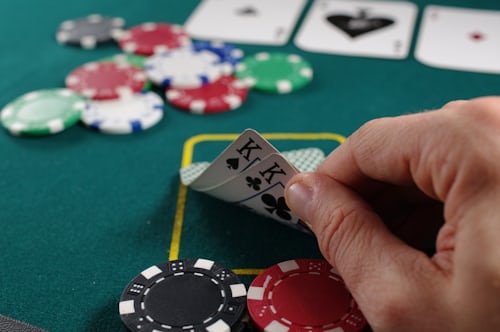
Conversely, the lows associated with gambling losses can be devastating for many individuals. Losing can elicit feelings of regret, shame, and frustration, creating a complex emotional landscape. These negative feelings may push individuals to gamble more in an attempt to recoup their losses, which can spiral into a vicious cycle of chasing losses. This emotional rollercoaster is central to understanding the psychological grip that gambling can have on individuals, often leading to unhealthy habits. The struggle between the highs and lows illustrates the profound impact of emotions on gambling behavior.
The impact of emotional states extends beyond the gambling tables; it influences players’ choices and strategies. For example, during stressed or emotionally charged situations, players may be more likely to take risks or deviate from their usual strategies. This unpredictability illustrates the importance of emotional regulation in gambling, as individuals who can manage their emotions are less likely to veer into problematic gambling behavior. Thus, the emotional dynamics of gambling underscore the complex relationship between psychological factors and engagement in gambling activities.
Understanding Casino Gamblers: Insights from Research and Community
Research into the psychology of gambling provides valuable insights that can inform both players and industry practices. Studies have shown that the motivations for gambling can vary widely among individuals. While some seek excitement and entertainment, others may gamble as an escape from personal problems or emotional pain. Understanding these motivations is crucial for developing responsible gambling measures and support systems for those at risk. This knowledge can help create targeted interventions that address the unique needs of different gamblers.
Communities around gambling can also play a significant role in shaping behaviors and attitudes. Support groups for problem gamblers emphasize the importance of sharing experiences to foster understanding and recovery. Such organizations provide resources and social support, creating a safe space for individuals grappling with gambling addiction. Engaging with a community can alleviate the isolation that often accompanies gambling problems, highlighting the need for communal approaches in addressing gambling behavior. This sense of belonging can be a powerful tool for encouraging healthier habits and promoting recovery.
Online platforms dedicated to gambling also reflect the ongoing evolution of gambling psychology. With technology facilitating access to gambling from home, the environments in which gambling occurs continue to change. This shift necessitates new approaches to understanding gambling behavior, as the psychological factors at play in physical casinos may differ from those in online settings. Ongoing research in this area is essential to develop strategies and interventions that effectively support gamblers in various environments. The adaptation to online gambling highlights the need for continuous exploration of the psychological impacts of evolving gambling landscapes.